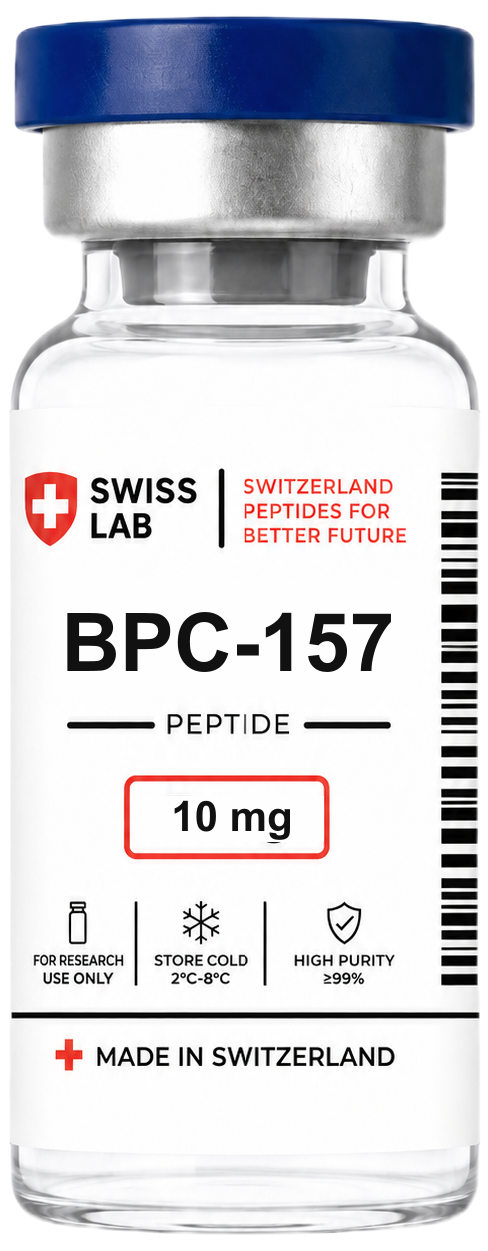
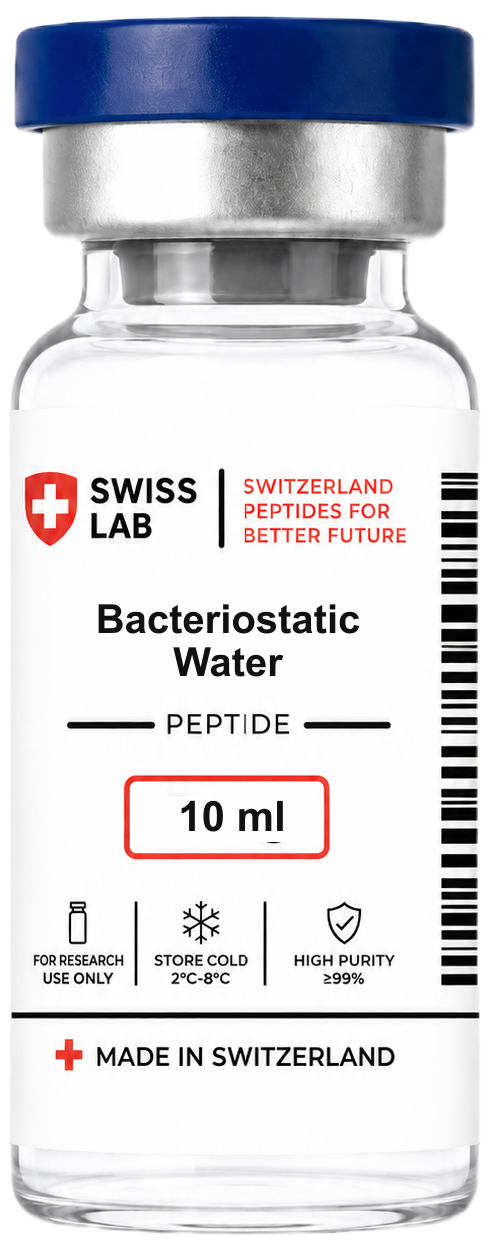
Almost every research peptide is sold with the same four words attached: “research use only,” often shortened to RUO. It is easy to treat that as boilerplate, but it is the single most important thing to understand about what these compounds are — and what they are not.
This explainer covers what the designation means, why peptides carry it, and what it implies for anyone buying them. It is educational only and does not describe or encourage any use of these materials beyond laboratory research.
- “Research use only” means a material is sold for in-vitro laboratory research — not as a drug, food, supplement or cosmetic.
- It is not approved for use in or on humans or animals, and is not a medicine.
- Peptides carry it because they are research compounds that have not gone through drug approval.
- A disclaimer alone does not make a vendor responsible — published COAs and honest labelling do.
What the designation means
“Research use only” is a legal and practical classification: the material is intended for use in a laboratory, for in-vitro research — work done in controlled apparatus such as cell cultures and assays, not in a living person or animal. An RUO product is explicitly not a drug, not a food, not a dietary supplement, and not a cosmetic. It has not been evaluated or approved by a medicines regulator for any use in people, and it is not intended to diagnose, treat, cure, or prevent anything.
Why peptides are sold this way
Most research peptides are compounds that are studied in the scientific literature but have not been through the lengthy, expensive process of drug approval. Some are early-stage research compounds; some are being studied by pharmaceutical developers but are not yet approved; a few are simply not candidates for approval at all. Because none of them is an approved medicine, the only lawful way to supply them is for laboratory research — hence the RUO designation.
What it means for a buyer
Buying an RUO compound means buying a research material, on the understanding that it is for laboratory research and not for consumption. Responsible suppliers ask buyers to confirm they are a qualified researcher or are purchasing on behalf of a research organisation, and that they will handle the material in line with the laws that apply where they are. The RUO designation places that responsibility on the buyer; it is not a formality to click past.
How to tell a responsible RUO supplier
The designation is only as meaningful as the supplier behind it. Signs of a responsible RUO vendor include openly published, batch-specific Certificates of Analysis from an independent laboratory; clear research-only labelling without therapeutic or benefit claims; and accurate product information. A supplier that pairs a “research use only” label with marketing about human results is contradicting its own disclaimer — and that contradiction is exactly what regulators look for.